
Next Gen Luggage?
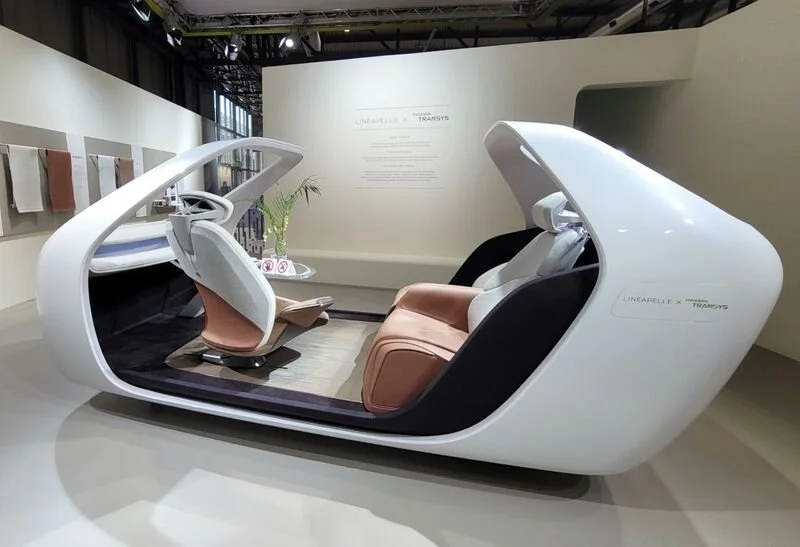
This Lineapelle installation was built for urban air mobility, but it felt like next-gen luggage to us.
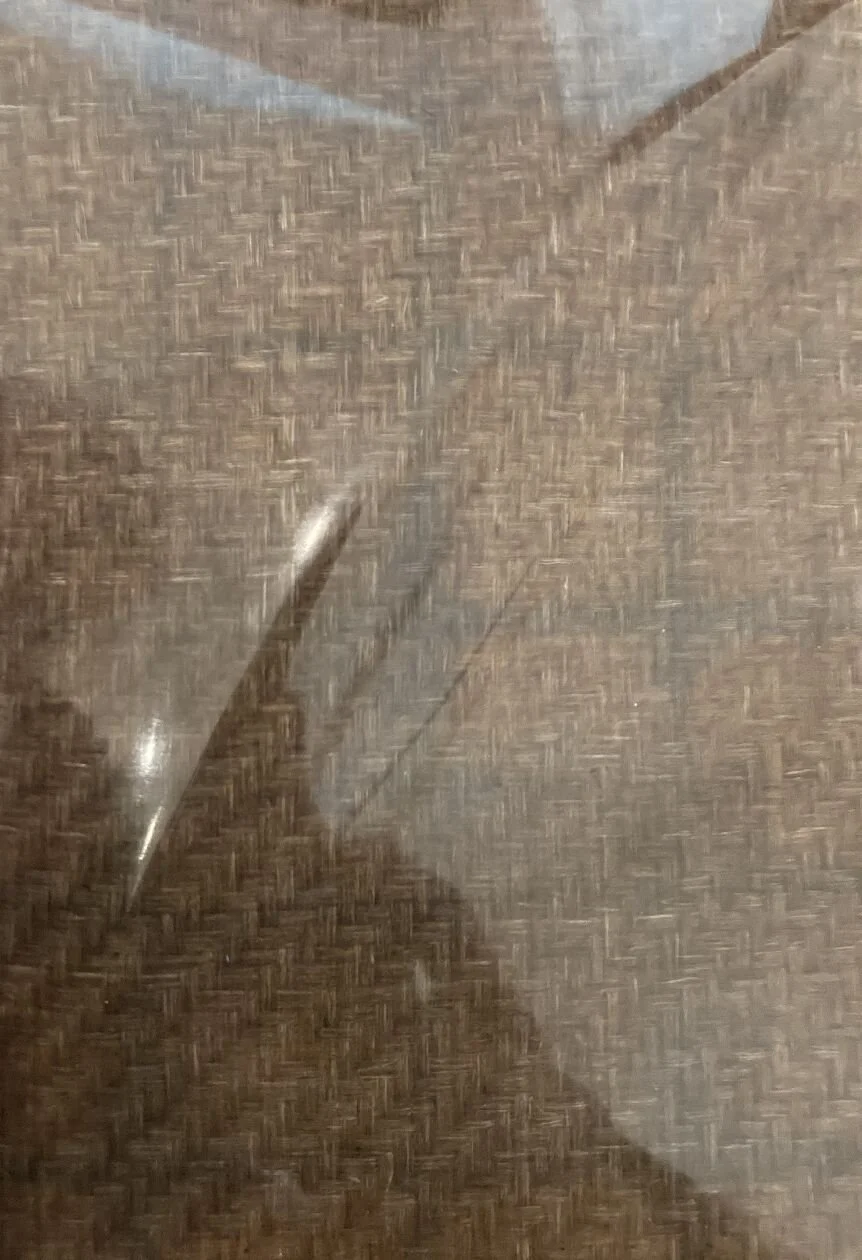
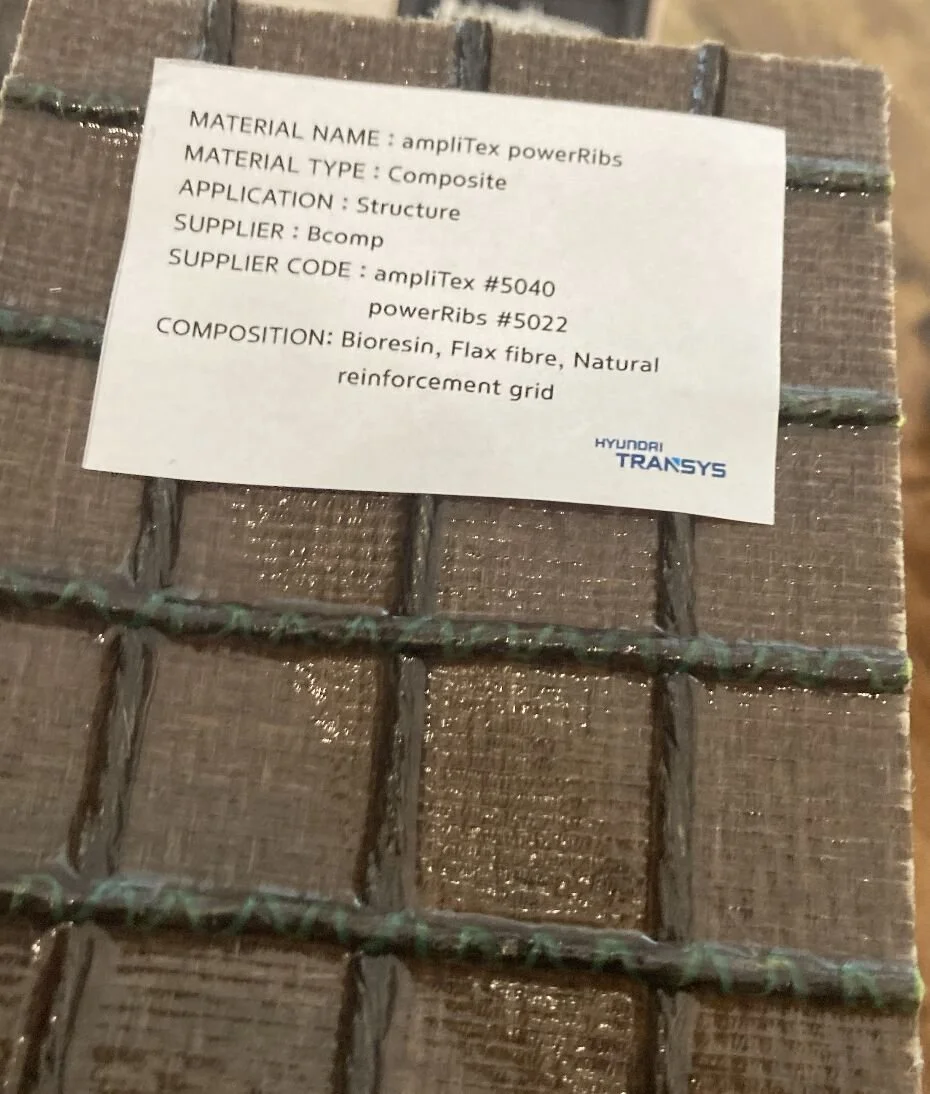
The HYUNDAI TRANSYS exhibit was created to explore circular, lightweight material solutions for future urban air mobility, but what stood out was how familiar the material language felt. The exterior shell was reminiscent of luggage and hard goods, built from flax fiber, bioresin, and a natural reinforcement grid.
The structure was lightweight, structurally sound, and resilient across extreme heat and cold, all while reducing reliance on traditional composites. That combination is exactly what many consumer product categories are actively searching for. We asked whether the material might be available for luggage development, and the answer wasn’t totally clear, but we’ll definitely be following up!
When we see materials like this, we think about how and when they might translate into real, everyday product categories like luggage.
Why this matters beyond aviation:
When mobility, automotive, and accessories start sharing material innovation, it often signals what’s coming next for everyday products. The same questions apply. How do we make things lighter, stronger, longer-lasting, and more responsible without sacrificing performance?
Seeing this kind of work show up at a leather and materials fair is a good reminder that circularity isn’t a side conversation. It’s shaping how materials are engineered from the start.
Our hope? This is a real preview of where high-performance materials are headed.
Need help developing a luggage, bag, or travel accessory?
Form Space helps brands expand into new product categories through end-to-end product design and development.
